
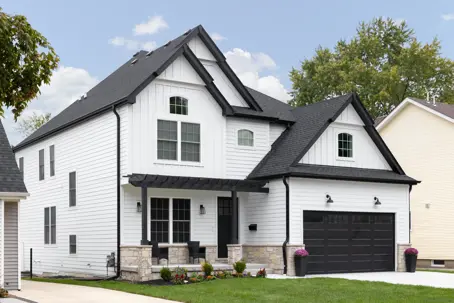
Older homes in Kansas City have a lot of character, but aging roofs are a common source of headaches. This article explains the real reasons older roofs leak, in plain language you can use to find and fix problems early. I’ll also note practical steps you can take and how a professional can help if the problem looks bigger than a quick patch.
How Roof Age and Worn Shingles Start Leaks
As shingles grow older, they lose protective granules, crack, curl, or become brittle. Those changes let water work under shingles instead of running off, and small gaps quickly become leaks during heavy rain or wind. Signs to watch for: granules in your gutters, curled or brittle edges, and dark spots on the roof surface.
Signs to watch for:
- Granular sand-like material (a sign of shingle wear) in the gutters
- Uneven areas and missing shingles
- Curled or brittle edges
- Dark spots on the roof surface
- The roof’s age—most asphalt shingles show significant wear after 15–25 years.
Flashing, Chimneys, and Penetrations: The Usual Leak Spots
Most leaks in older houses start where the roof is interrupted—around chimneys, plumbing vents, skylights, and dormers. Flashing (thin metal trim) should form a tight, waterproof seal at those spots. Over time, flashing can rust, pull loose, or the sealant around it can crack, letting water in. Home inspection guides list failed flashing and sealant as the top causes of leaks.
What to inspect and when to call:
- From the ground, check for gaps or cracked sealant around chimneys and vents.
- If you see rusted or bent flashing, schedule a professional inspection—fixing flashing often needs a ladder, tools, and correct sealing techniques. nachi.org
Skylights, Vents, and Small Leak Sources
Skylights and roof vents look simple but are common leak points. Skylight seals (rubber gaskets) dry out, and the built-in drainage holes (weep holes) can clog. Even a small failing seal will let water run down inside walls or ceilings. If you have a skylight, check for cracked seals, condensation, or streaks on the ceiling below.
Simple steps for homeowners:
- Clear debris from around skylights and watch for water after the next rain.
- Note any change in how quickly moisture shows up inside after rain—that helps a pro pinpoint the leak.
Gutters, Valleys, and Kansas City Weather Problems
Clogged or damaged gutters force water to back up under shingles or pour over eaves and walls. Kansas City’s seasonal storms, spring thaw, and winter freezes can stress gutters and create ice dams—those form when meltwater refreezes at the roof edge and pushes water under shingles. Gutters that sag or have missing downspouts also raise leak risk. Local experts emphasize routine gutter care to reduce leak calls after storms.
How to reduce gutter-related leaks
- Keep gutters clear of leaves and check downspouts for clogs.
- After heavy snow, safely remove excess snow from the roof edge or hire help to manage ice dam risk. edwardsguttercleaning.com
Ventilation, Attic Moisture, and Hidden Damage
Poor attic ventilation and air leaks let warm, moist air build up and damage the roof from the inside. This can accelerate shingle failure and cause rot in the roof deck—problems that may not show until a sudden leak appears. Improving attic insulation and sealing air leaks reduces freeze-thaw cycles and helps the roof last longer. Energy and weatherization guides point to ventilation and insulation as key to preventing these issues.
What a homeowner can do now
- Check attic vents are not blocked by insulation, and look for daylight through the roof decking.
- If you find wet insulation, dark spots, or a moldy odor in the attic, contact a pro—those are signs of ongoing moisture. energy.gov
When Storms and Debris Cause Sudden Leaks
Tree limbs, hail, and wind-driven debris can puncture shingles or tear flashing during storms. After any strong storm, do a quick visual check from the ground for missing shingles, hanging metal, or debris on the roof. If you see obvious damage, avoid walking on the roof and call a professional for a safe inspection. Local news and roofing companies report that storm-related calls spike after severe weather events in our area.
Immediate steps to follow
- Photograph visible damage and move valuables away from the affected room.
- Use a bucket for drips and place towels around the damage until a pro assesses repairs.
Short-term Fixes vs. Professional Repair
Small gaps in flashing or a few missing shingles can sometimes be temporarily patched, but temporary fixes may hide bigger issues. A professional roof inspection will find the true source—water can track far from where you see stains—so repairs target the root problem. Roofing guides recommend professional diagnosis when interior damage or repeated leaks appear.
What to expect from a pro inspection
- A full roof inspection identifies worn shingles, failed flashing, and attic or deck rot.
- Professionals can document damage for insurance, recommend repair vs. replacement, and give a clear timeline and cost estimate.
Why you should do it right
Older roofs tend to leak where materials have aged, where the roof is interrupted (flashing, skylights, vents), and where water can’t flow away (clogged gutters or valleys). Because water can travel inside walls and ceilings before it shows up, a small stain may hide larger damage. Doing the job right matters for safety and cost—correct, timely repairs stop small leaks from turning into costly structural or mold issues.
If your home needs more than a quick patch, Cloud9 Roofing LLC offers targeted services that address these problems, including roof inspections, roof repair, roof replacement, chimney flashing repair, skylight repair, and gutter services. Our team focuses on diagnosing the leak source, repairing or replacing failed flashing or shingles, and recommending roof maintenance to reduce future risk.
If you have an active leak or notice new stains, contact us today to protect your home. Book a visit online or call (816) 239-2083 to get started.